
Protecting Our Children in a Digital World
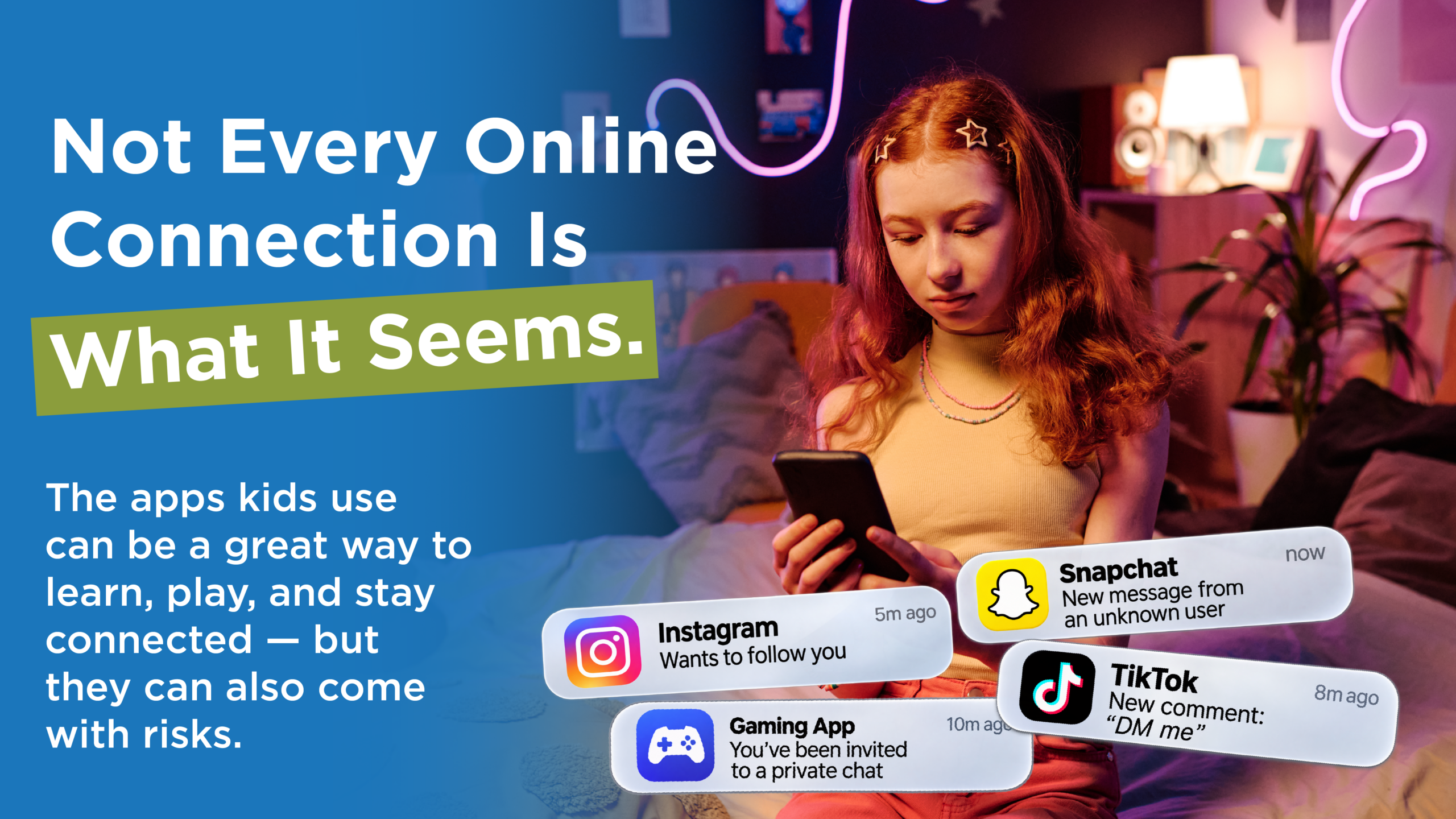
Today’s children are growing up online. Social media, gaming platforms, messaging apps, and video-sharing sites can provide opportunities to learn, connect, and create. Unfortunately, these same platforms can also be used by online predators, traffickers, and other bad actors seeking to exploit vulnerable young people.
At Olive Crest, we believe prevention starts with awareness. Understanding the digital spaces children use every day and maintaining open, ongoing conversations can help protect them from harm.
Many parents are surprised to learn that exploitation often begins online through what appears to be a harmless friendship, gaming connection, social media interaction, or trusted online influencer.
Snapchat
Why Kids Use It
- Sharing photos and videos with friends
- Group messaging
- Filters and creative tools
- Streaks and social interaction
Potential Risks
- Disappearing messages create a false sense of security
- Snap Map can reveal a child’s location
- Strangers can connect through Quick Add
- Predators may use private messaging to build trust
- Images can still be saved through screenshots or secondary devices
Talk To Your Child About
- Why location sharing should be turned off
- The dangers of communicating with strangers
- Never sending personal or intimate images
- How to block and report suspicious users
Why Kids Use It
- Sharing photos and videos
- Following celebrities and influencers
- Reels and entertainment
- Direct messaging friends
Potential Risks
- Fake accounts posing as teenagers
- Direct messages from strangers
- Grooming through compliments and attention
- Sextortion and image-based exploitation
- Pressure to compare themselves with others
Talk To Your Child About
- Keeping accounts private
- Accepting followers they know in real life
- Recognizing fake profiles
- Reporting inappropriate messages
TikTok
Why Kids Use It
- Entertainment and short-form videos
- Following creators and trends
- Content creation
- Social connection
Potential Risks
- Contact from unknown followers
- Exposure to inappropriate content
- Oversharing personal information
- Predators encouraging communication on other platforms
- Harmful viral trends
Talk To Your Child About
- What information should never be shared publicly
- Being cautious when interacting with strangers
- How to use privacy and safety settings
- The difference between online attention and trusted relationships
Discord
Why Kids Use It
- Gaming communities
- Group chats
- Voice and video communication
- Shared interests and hobbies
Potential Risks
- Anonymous users
- Private servers
- Direct messaging with strangers
- Adults posing as teenagers
- Unmoderated communities
Talk To Your Child About
- Only joining trusted servers
- Being careful about sharing personal information
- Reporting inappropriate conversations
- Letting a parent know if someone makes them uncomfortable
Roblox
Why Kids Use It
- Online gaming
- Creativity and virtual worlds
- Social interaction
- Playing with friends
Potential Risks
- In-game chat features
- Adults pretending to be children
- Requests to move conversations off-platform
- Sharing personal information
- Exposure to inappropriate user-generated content
Talk To Your Child About
- Never sharing personal information
- Only accepting friend requests from known individuals
- Informing parents about unusual interactions
- Using parental controls
🎮 Fortnite and Other Online Games
Why Kids Use It
- Multiplayer competition
- Team communication
- Social interaction
- Entertainment
Potential Risks
- Open voice chat with strangers
- Private messaging
- Relationships formed through gaming
- Requests to connect through other apps
Talk To Your Child About
- Treating online friends the same as strangers
- Never sharing personal information
- Never agreeing to meet someone in person
- Speaking up if conversations become inappropriate
YouTube
Why Kids Use It
- Entertainment
- Learning
- Following creators and influencers
- Watching gaming and lifestyle content
Potential Risks
- Exposure to inappropriate content
- Manipulation by influencers
- Links to unsafe websites
- Live chat interactions with strangers
Talk To Your Child About
- Critical thinking about online content
- Not believing everything seen online
- Avoiding external links from unknown sources
- How influencers may profit from their attention
Why Kids Use It
- Messaging friends and family
- Group chats
- Voice and video calls
Potential Risks
- Encrypted communication
- Disappearing messages
- Large group chats with unknown individuals
- Private sharing of photos and videos
Talk To Your Child About
- Who they are communicating with
- Why privacy settings matter
- Appropriate online behavior
- Reporting concerning interactions
A Growing Concern: Influencers and Content Creators
Not all online risks come from strangers pretending to be friends.
Many children develop strong connections with influencers, streamers, YouTubers, and online personalities. While most creators are legitimate, some individuals exploit this trust.
Red Flags Parents Should Watch For
- Encouraging private messaging with followers
- Asking children to join private groups
- Requesting personal information
- Directing followers to unmoderated platforms
- Normalizing risky or inappropriate behavior
- Asking followers to keep communications secret
- Offering gifts, special access, or exclusive relationships
Children should understand that online personalities are not personal friends, regardless of how familiar they may feel.
How Predators Groom Children Online
Predators rarely begin with threats or force.
Instead, they often use a process known as grooming to build trust and create emotional dependence before exploitation occurs.
Common Grooming Tactics
✅ Pretending to be the same age
✅ Offering friendship and emotional support
✅ Providing attention and compliments
✅ Giving gifts, money, gaming currency, or rewards
✅ Learning details about a child’s interests and struggles
✅ Encouraging secrecy
✅ Isolating children from parents and trusted adults
✅ Moving conversations to private platforms
✅ Requesting photos or videos
✅ Using manipulation, threats, or blackmail
Many victims believe they are talking to a trusted friend long before they realize they are being exploited.
Warning Signs Parents Should Watch For
Be aware if your child:
- Becomes unusually secretive about devices
- Quickly closes apps when adults enter the room
- Receives gifts, money, or gaming currency unexpectedly
- Develops intense connections with online friends
- Changes sleep habits to communicate online late at night
- Shows emotional distress related to online activity
- Uses hidden apps or multiple accounts
- Becomes defensive when asked about online interactions
One warning sign alone does not necessarily indicate exploitation, but several warning signs together warrant a closer conversation.
How to Protect Your Child
Explore Together
Learn which apps your child uses and how they work. Create your own accounts and become familiar with the platforms your children use every day.
Talk Openly
Create a safe environment where children can discuss mistakes, concerns, and uncomfortable interactions without fear of punishment.
Know the Warning Signs
Pay attention to changes in behavior, secrecy, new online relationships, and emotional responses connected to technology use.
Set Healthy Boundaries
Review privacy settings, online contacts, and age-appropriate safeguards regularly.
Keep Devices in Shared Spaces
For younger children, consider keeping devices in common areas of the home and limiting overnight access.
Teach Critical Thinking
Help children identify red flags:
- Requests for secrecy
- Offers of gifts or money
- Pressure to send photos
- Requests for personal information
- Invitations to move conversations to private platforms
Use Available Safety Tools
Take advantage of:
- Family monitoring tools
- Privacy controls
- Screen time settings
- Parental controls
- Content filtering options
Conversation Starters Every Parent Can Use
Instead of asking:
“Is everything okay online?”
Try asking:
- “Has anyone online ever made you uncomfortable?”
- “Has anyone asked you to keep a friendship secret?”
- “If someone asked you for a photo, what would you do?”
- “Do you know how to block and report someone?”
- “Have you ever been invited to chat on another app?”
These conversations help build trust and encourage children to seek help when something doesn’t feel right.
Need Help?
If you believe a child may be experiencing online exploitation, grooming, sextortion, or trafficking:
- Contact local law enforcement
- Submit a report to the National Center for Missing & Exploited Children CyberTipline
- Reach out to school counselors or trusted professionals
- Seek support from organizations experienced in child protection and recovery
Early intervention can make a significant difference in protecting children from harm.

Since 1973, Olive Crest has transformed the lives of over 300,000 children and their families. We work tirelessly to meet the individual needs of kids in crisis by providing safe homes, counseling, and education for both youth and parents. Our many innovative programs reflect our conviction that strengthening the family is one of the most powerful ways to help heal children. Our 98% stability rate is a testament to the lifelong commitment and unwavering compassion that the Olive Crest family maintains to the children and families we serve even after they have graduated from our programs.
Olive Crest serves 5,000 children and families each day throughout the Western United States.
